
"plant classification"
2000 article(s) found
Coffee knowledge Coffee Tree Classification
Arabica Coffee and Variety improvement. What do the so-called families, genera and species of Arabica species mean in biological classification? In terms of biological classification, it is divided into boundary, phylum, class, order, family, genus and species from top to bottom, and the lower part of the species is subdivided into subspecies, varieties and varieties. Arabica coffee is generally thought to originate from the Ethiopian plateau and is widely divided.
Teach you to identify the types of specialty coffee beans and how to identify the types of coffee? Introduction to the classification of coffee
At present, the most important coffee beans mainly come from two varieties, namely coffeaarabica and coffeacanephore. The former is the so-called arabica growing coffee beans. The latter is also known as robusta to grow coffee beans. The plants, cultivation methods, environmental conditions, appearance, chemical composition and even the processing methods of the subsequent raw beans of the two kinds of coffee beans are different.

The standard of SCAA pecialty Coffee boutique coffee raw beans is necessary for a good cup of coffee.
The raw bean defects of SCAA can be divided into two types: I and II. The requirement for premium coffee grade (specialty coffee) is: 1. There are no class I defects; 2. No more than 5 II class defects 3. There can be no "quaker" (0 quaker) Quick beans in cooked coffee beans. 4. The color range of raw coffee beans is pale yellow (light yellow), yellow-green (
Introduction to the Classification characteristics of the planting History of Hawaiian Coffee Manor is Hawaii's top Kona coffee beans good?
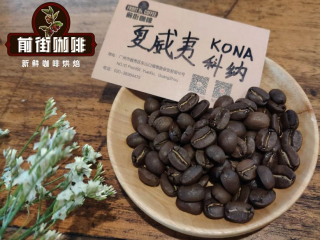
As one of the most famous island coffee, Hawaiian Kona Coffee is called a king and queen with the Blue Mountains of Jamaica. Today, we will introduce Hawaii's top coffee beans-Kona coffee beans. Coffee producing area Kona producing area in Hawaii, the Queen's Manor is 1100m above sea level and the variety of iron pickup is in the process of washing and baking.

El Salvador coffee history introduction El Salvador coffee six major producing areas and coffee classification system
El Salvador, known as the home of volcanoes, is the smallest country in Central America (roughly the same size as New Jersey). Coffee was grown after independence from Nicaragua in the mid-19th century and quickly became a popular cash crop. Active volcanic activity brings mineral-rich volcanic ash to the country, mainly volcanic ash in the soil composition

How many kinds of coffee beans are there? What is the classification and characteristics of coffee beans? The basics of coffee Coffee
Professional coffee knowledge exchange more coffee bean information please follow the coffee workshop (Wechat official account cafe_style) how many kinds of coffee beans? What is the classification and characteristics of coffee beans? The basic knowledge of coffee the classification of coffee beans? Generally speaking, coffee beans are classified mainly by bean species, country of production, and manors or regions produced. Bean seed, our daily life

Coffee beans Coffee Tree Coffee Tree Coffee Bean
Classification of plants Coffee beans Coffee trees belong to the evergreen tree of Rubiaceae. Rubiaceae plants have been dominated by plants with special effects since ancient times, such as quinine tree, which is regarded as a specific drug for malaria, and Dugen, which is used to treat amoeba dysentery. Coffee is defined as the most unique alkaloid drinking flora. The fruit of coffee consists of outer skin, pulp, endocarp, silver skin, and the above-mentioned layers.
Country classification method selected to determine fine coffee
The term boutique coffee was first coined by Ms. Knudsen in Coffee and Tea magazine in the United States, when Ms. Knudsen served as B.C. Ireland's coffee buyer in San Francisco, she was very dissatisfied with the industry's neglect of green coffee bean quality, and even some large roasters mixed a lot of robersta beans into the mixed beans, so she proposed the concept of fine coffee.
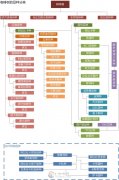
High-quality coffee common sense coffee tree classification selection
Arabica Coffee and Variety improvement. What do the so-called families, genera and species of Arabica species mean in biological classification? In terms of biological classification, it is divided into boundary, phylum, class, order, family, genus and species from top to bottom, and the lower part of the species is subdivided into subspecies, varieties and varieties. Arabica coffee is generally thought to originate from the Ethiopian plateau and is widely divided.

SCA Arabica Coffee Raw Bean grading Manual _ how do Arabica coffee beans be graded?
Professional coffee knowledge exchange more coffee bean information please follow the coffee workshop (Wechat official account cafe_style) [the standard of SCAA Specialty Coffee fine coffee raw beans] the raw bean defects of SCAA can be divided into two categories: I and II. The requirement for boutique coffee grade (specialty coffee) is that there are no Class I defects and no more than 5 II classes are missing.
Classification and taste of exquisite coffee beans and characteristics of Yega Chevy Coffee Manning Coffee
Yirga cheffe is a small town in Ethiopia, 1700-2100 meters above sea level, and it is also synonymous with Ethiopian boutique coffee. Since ancient times, it is a wetland, the ancient saying Yega yirga means to settle down, and Sheffield cheffe means wetlands, so Yejasuefi means to let us settle down in this wetland. Strictly speaking, Yega Xuefei is Ethiopia.

Ladisha Manor single bean flavor description, cooking suggestion manor introduces planting history information
Professional baristas Please pay attention to the Coffee Workshop (Wechat official account cafe_style) Coffee was really introduced to Guatemala in 1750 by Father Jesuit, and the coffee industry was developed by German colonists at the end of the 19th century. Today, most of the coffee industry's production takes place in the south of the country. Guatemala has seven main coffee producing areas: Antigua and Cobain
Classification of coffee beans
Classification of coffee beans there are usually two types of coffee beans in the world, Arabica (Arabica) and Rob's special (Robusta). Arabica, also known as high-altitude coffee or small fruit coffee, which grows at high altitudes (more than 1500 meters) is the most traditional variety of Arabica coffee. Originally from East Africa, coffee was long monopolized by the Arab world before the 15th century.

Introduction to the taste of story grinding scale of Latin American coffee beans
South American countries have switched to altitude classification, and only Colombia maintains this traditional classification system, which many Colombian coffee makers have recognized and have begun to demand a change in the classification system. Colombia's famous producing areas include Medellin, Armenia and Manisales, so the word MAM is sometimes seen on coffee bags.
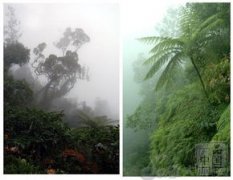
The basic Classification and uniqueness of Blue Mountain Coffee
Basically, there are three grades of coffee in the Blue Mountain area of Jamaica: blue Mountain Coffee (Blue Mountain Coffee), Alpine Coffee (Jamaica High Mountasin Supreme Coffee Beans) and Jamaican Coffee (Jamaica Prime Coffee Beans). Among them, Blue Mountain Coffee and Alpine Coffee are each divided into two grades. The order from top to bottom in terms of quality is:

What's the taste of 90 plus and 90 + coffee bean Clinique? How to cook Clinique with V60 before it tastes good?
Professional coffee knowledge exchange more coffee bean information please follow the coffee workshop (Wechat official account cafe_style) 90 + coffee bean Clinique what is the taste? How to use V60 to cook 90 + Clinique to taste good? Ninety plus is an internationally renowned coffee bean production and marketing company, while Ninety plus is an internationally renowned coffee bean production and marketing company.

What is the unique classification of Brazilian coffee beans? the processing of Brazilian coffee beans
Brazilian coffee, which accounts for more than 40% of the global coffee production, is the largest coffee producing country in Central and South America, and is also the largest coffee producing country in the world. Its geographical environment is lower than that of other coffee producing areas in Central and South America, and the terrain is relatively flat. The elevation of coffee producing areas is about 1000 to 1400 meters. In addition, most coffee growing in Brazil is mainly in the form of exposure, so

Coffee knowledge | Classification and characteristics of common coffee beans
Professional baristas please follow the coffee workshop (Wechat official account cafe_style) [about coffee beans] what is available on the market is coffee in three forms: raw beans, cooked beans and coffee powder. It is recommended that you buy coffee cooked beans, and the fresh the better, because raw beans need to be roasted to change the taste before consumption, but after baking, various flavors will follow moisture and carbon dioxide.
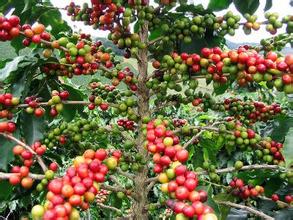
A brief understanding of the varieties of coffee trees, a detailed analysis of the classification of coffee trees.
Different varieties of coffee beans have different tastes, but even the same varieties of coffee trees have their own unique flavor due to the influence of different soil and climate. 1. Arabica Coffee Tree (coffeaarabica) originated from Arabica Coffee Tree in Ethiopia, which accounts for 70% of the world's coffee bean production. The world-famous Lanshan Gaffin and Mo

The coffee growing area of Mexico is close to Guatemala, and the production classification belongs to the Central American type.
Mexican coffee due to geographical and climatic reasons, the Mexican coffee growing area is close to Guatemala, and the production classification belongs to the Central American type. The main producing areas are: Kolabegu, Australia Aluca states, the products are mostly washed beans produced in the highlands, with good aroma and sour taste, the grade is divided into three categories according to altitude: Aldura (219m-1280 m), Prima. Pull